Foods for Dental Health: What to Eat for a Healthier Smile
Brushing, flossing, and regular dental visits are essential for maintaining a healthy smile. However, what you eat also plays an important role in the health of your teeth and gums. Choosing the right foods for dental health can provide valuable nutrients while helping you reduce your risk of tooth decay.
At Crosstown Dental Palmyra, we encourage patients to consider how everyday food choices can support good oral health.
Why Does Your Diet Matter for Your Teeth?
 Every time you eat, the foods and beverages you consume interact with the bacteria in your mouth. Sugars and certain carbohydrates can be broken down by these bacteria, producing acids that attack tooth enamel.
Frequent exposure to these acids can increase your risk of cavities. On the other hand, nutrient-rich foods can help support strong teeth, healthy gums, and saliva production.
The goal is not necessarily to eliminate every treat. Instead, focus on a balanced diet and limit how frequently your teeth are exposed to sugary or acidic foods and drinks.
What Are the Best Foods for Dental Health?
Several types of foods can be particularly beneficial for your smile.
Dairy products: Milk, cheese, and plain yogurt provide calcium and phosphorus, minerals that are important for strong teeth. Cheese may also help stimulate saliva production.
Crunchy fruits and vegetables: Apples, carrots, and celery require plenty of chewing, which encourages saliva flow. They also provide vitamins and other nutrients that support overall health.
Leafy green vegetables: Spinach, kale, and other leafy greens contain vitamins and minerals while being naturally low in sugar.
Lean proteins: Eggs, fish, poultry, nuts, and other protein sources can provide phosphorus and additional nutrients that contribute to healthy teeth and gums.
Water: While it is not a food, water is one of the best beverage choices for your dental health. It helps rinse food particles from your mouth and supports normal saliva production. Fluoridated water can provide additional protection against cavities.
Which Foods Should You Limit?
Sugary foods and drinks are among the biggest dietary concerns for your teeth. Candy, cookies, soda, sweetened coffee, sports drinks, and similar products can expose teeth to cavity-causing acids.
Sticky foods can be especially problematic because they may remain on tooth surfaces longer.
Acidic beverages, including many sodas and energy drinks, can also contribute to enamel erosion.
How often you consume these foods matters. Constant snacking or sipping sugary beverages throughout the day repeatedly exposes your teeth to acid.
Don’t Forget Healthy Gums
A nutritious diet supports your gums as well as your teeth. Foods containing vitamin C and other essential nutrients help support healthy gum tissue.
However, diet alone cannot prevent gum disease. Daily brushing and flossing remain essential for removing plaque around the gumline.
Combine Healthy Eating with Good Dental Care
Eating well is just one part of maintaining a healthy smile. Brush twice daily with fluoride toothpaste, floss every day, and schedule regular dental examinations and professional cleanings.
Crosstown Dental Palmyra provides preventive and comprehensive dental care to help patients maintain healthy smiles. If you have questions about your oral health or are due for a dental checkup, contact our office to schedule an appointment.

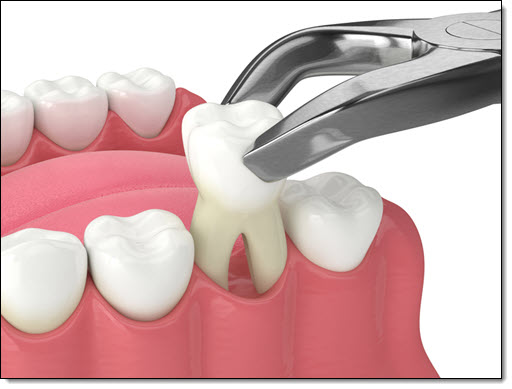 The initial day is crucial for clot formation, which protects the healing socket. Patients should bite gently on gauze to control bleeding and avoid disturbing the clot. Rest is essential—strenuous activity may increase bleeding. Cold compresses reduce swelling, while prescribed or over-the-counter medication manages pain. Hydration supports recovery, but patients must avoid straws, which can dislodge the clot.
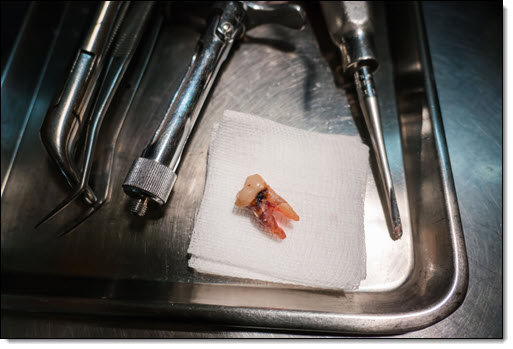 Oral hygiene remains important, but brushing directly over the extraction site should be avoided. Gentle rinsing with warm salt water after 24 hours reduces bacteria and promotes healing. Patients should resume normal brushing and flossing carefully, avoiding trauma to the healing area.
 Vitamin C strengthens connective tissues and supports gum health. Citrus fruits, strawberries, and bell peppers deliver high amounts. A deficiency in vitamin C can lead to bleeding gums and slower healing, and can contribute to
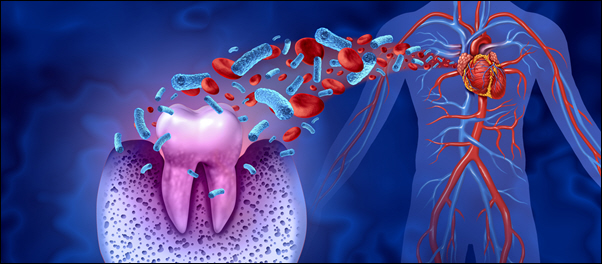 Gum disease, or periodontal disease, is a common oral health condition caused by bacterial buildup along the gumline. When plaque isn’t removed through regular brushing and flossing, it hardens into tartar, leading to gum inflammation and infection. Gum disease begins with mild symptoms, like redness and bleeding gums, but can progress into more severe periodontitis if left untreated.
 Practicing good dental hygiene can reduce the risk of developing gum disease, thereby lowering the chances of bacteria entering the bloodstream and affecting the cardiovascular system. Here’s how daily dental habits contribute to better heart health:
 The Role in